19 Jun 2026
Unseen Data Trails: How Mobile Retention Stats Quietly Guide Funding Decisions for Emerging Console Shooter Projects
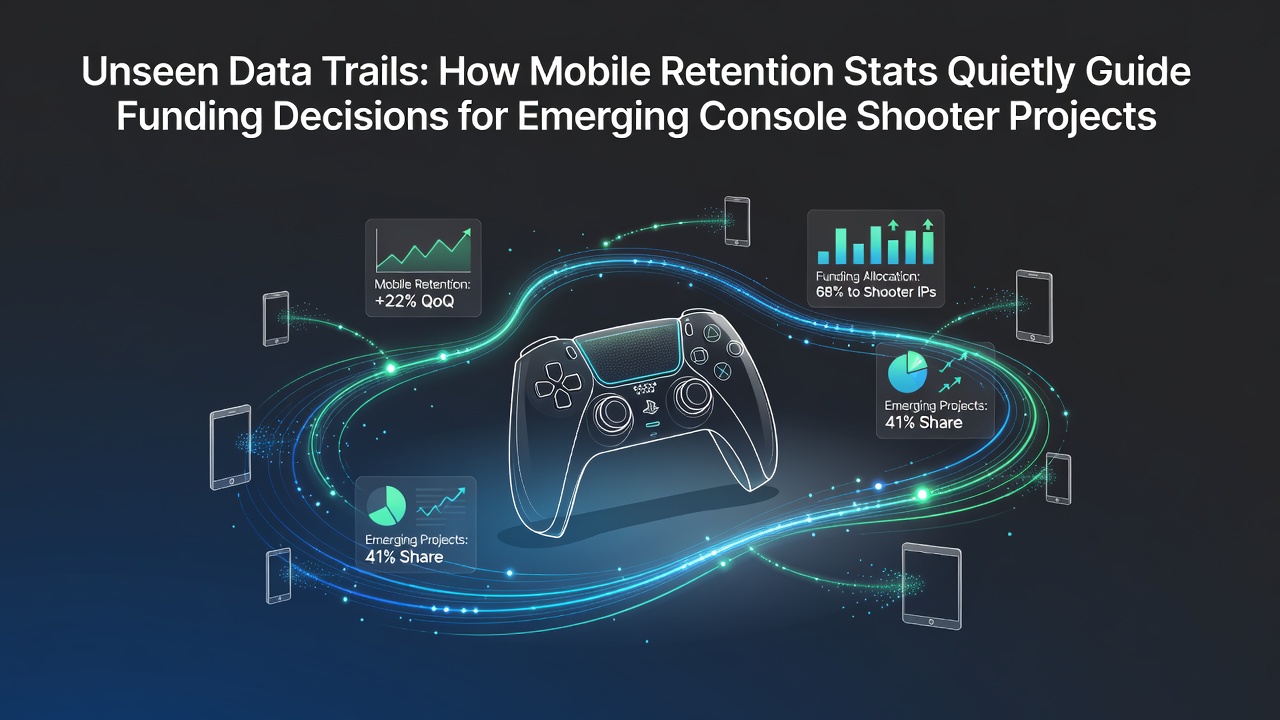
Data trails from mobile platforms have become central to how investors and publishers evaluate emerging console shooter projects, with retention statistics providing measurable signals that extend beyond traditional market research. These figures track player return rates across specific intervals, such as day-one, day-seven, and day-thirty benchmarks, and they inform projections about long-term engagement potential when titles move to larger hardware ecosystems. Studios developing console shooters often compile these mobile datasets early in pre-production because they reveal patterns in session length, monetization triggers, and churn points that translate across device categories.
Mobile Retention Metrics as Predictive Tools
Retention data from mobile shooters supplies concrete indicators that funding teams apply when assessing console proposals. Daily active user counts combined with retention percentages allow analysts to identify which gameplay loops sustain interest over repeated sessions, and these same mechanics frequently form the foundation for console versions that emphasize competitive multiplayer modes. Reports from industry organizations like the Entertainment Software Association document how such metrics have influenced capital allocation toward projects that demonstrate strong week-one retention above 40 percent, since these thresholds correlate with higher probabilities of sustained revenue streams once cross-platform features activate.
Publishers examine cohort analysis from mobile titles to forecast hardware-specific adaptations, noting that shooters with high day-seven retention often succeed when expanded to include narrative-driven campaigns alongside core shooting loops. This approach has guided decisions around resource distribution, where teams allocate additional engineering support to features that mobile data already proved effective at maintaining player momentum through mid-session drop-off points.
Patterns in Funding Allocation for Console Adaptations
Investment decisions for console shooter projects increasingly reference mobile retention trails because these datasets offer granular visibility into audience behavior across global regions. Teams review geographic breakdowns of retention rates to determine which markets show consistent engagement, allowing them to prioritize localization and marketing spend accordingly before console launch windows open. Observers note that projects exhibiting retention stability across both established and emerging territories receive expedited greenlights, since the underlying data reduces uncertainty around international performance expectations.
What's interesting is how retention statistics from mobile battle royale modes have informed funding for hybrid console shooters that blend extraction mechanics with team-based objectives. These connections emerge when analysts cross-reference mobile session data against console hardware sales forecasts, creating investment models that weight mobile-derived engagement signals more heavily than speculative pitch materials alone. In June 2026, several mid-sized publishers adjusted their console shooter pipelines after reviewing aggregated retention reports that highlighted successful transitions from mobile origins to premium console editions.
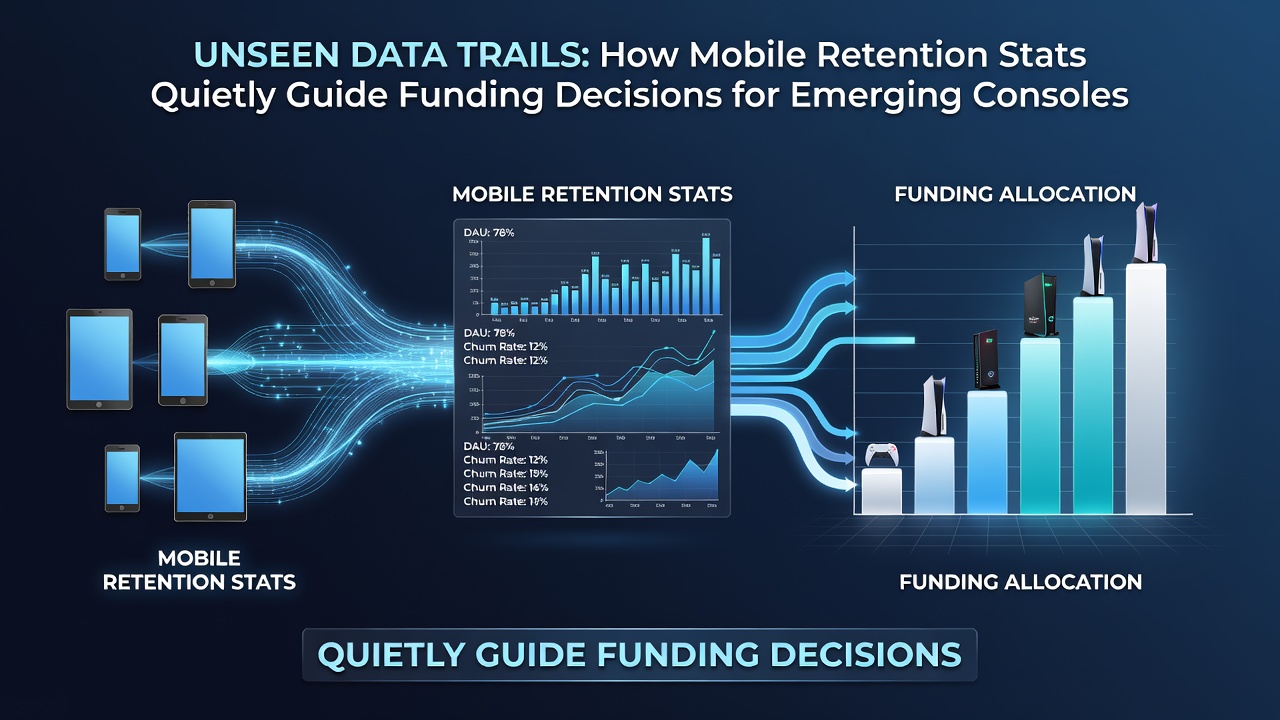
Integration of Retention Insights into Development Pipelines
Development studios integrate mobile retention insights directly into console shooter pre-production by mapping high-performing mobile features onto console control schemes and progression systems. This mapping process involves identifying which weapon customization trees or match-making algorithms retained mobile players longest, then scaling those elements to accommodate larger player counts typical of console environments. Research from academic sources, including studies published through Canadian university gaming labs, has examined these transfer patterns and found measurable overlaps between mobile retention drivers and console engagement longevity.
Funding rounds for these projects often hinge on presentations that include side-by-side comparisons of mobile cohort curves against projected console metrics, giving decision-makers tangible benchmarks rather than conceptual promises. Teams that demonstrate how mobile retention data informed specific design adjustments, such as adjusting difficulty curves or reward pacing, tend to secure commitments faster because the evidence chain appears more robust. And this method has become standard practice among studios that operate across multiple device platforms simultaneously.
Challenges in Interpreting Cross-Platform Data Trails
Interpreting mobile retention data for console shooter funding carries inherent complexities because device-specific variables like input methods and screen size affect how players interact with identical core systems. Analysts must adjust for these differences when projecting console performance, often applying weighted modifiers derived from prior cross-platform launches. Organizations tracking industry trends emphasize the need for multi-source validation, combining mobile figures with console beta telemetry to refine accuracy before final budget approvals.
Yet the process continues to evolve as more studios establish dedicated data teams responsible for translating mobile statistics into console-relevant insights. These teams focus on isolating universal retention factors, such as social connectivity features or seasonal event structures, that demonstrate consistent impact regardless of platform scale. The result is a more systematic approach to funding allocation where unseen data trails from mobile environments quietly shape the trajectory of console shooter projects from concept through release preparation.
Conclusion
Mobile retention statistics now function as foundational inputs for funding decisions surrounding emerging console shooter projects, supplying measurable evidence that guides everything from feature prioritization to market targeting. As development pipelines incorporate these data trails more thoroughly, the distinctions between mobile and console planning phases continue to narrow, creating interconnected evaluation frameworks that rely on retention patterns observed across device types. This integration reflects broader industry shifts toward evidence-based investment strategies that prioritize quantifiable engagement signals over isolated platform assumptions.