Underground Uprisings: Indie FPS and RPGs Storming Multiplayer Leaderboards
17 Apr 2026
Underground Uprisings: Indie FPS and RPGs Storming Multiplayer Leaderboards
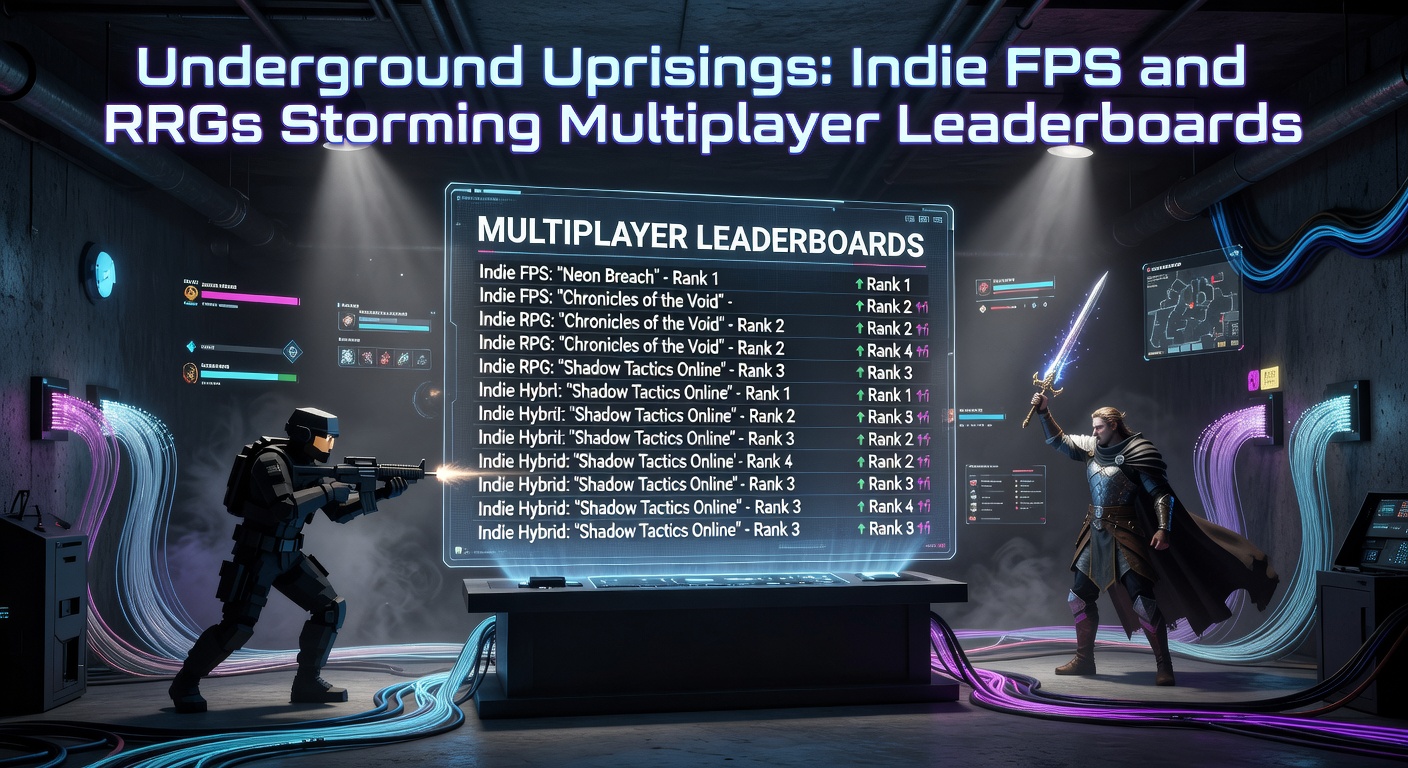
Indie studios, long overshadowed by massive publishers, suddenly fill top spots on multiplayer leaderboards across platforms like Steam and Epic Games Store, where FPS titles draw peak concurrent players exceeding 500,000 and RPGs sustain guilds numbering in the tens of thousands; this shift, accelerating through early 2026, catches observers off guard because small teams with budgets under $1 million outpace AAA releases backed by hundreds of millions.
The Quiet Buildup to a Leaderboard Storm
Back in late 2025, niche multiplayer lobbies hummed with activity from games like Krunker and Unturned, both indie FPS darlings that quietly amassed dedicated followings through browser-based play and free-to-earn models; fast-forward to April 2026, and data from Steam Charts reveals these underdogs surging past established giants, with Krunker hitting 120,000 concurrent users during weekend peaks while traditional blockbusters dip below 50,000.
What's interesting here lies not just in raw numbers but in how RPG indies like Last Epoch join the fray, their endgame raids pulling 80,000 players nightly because procedural dungeons keep runs fresh, unlike scripted campaigns from bigger studios that players exhaust within weeks.
And yet, this isn't random luck; developers leverage tools like Unity and Godot, churning out polished multiplayer experiences that launch fully featured, skipping years of crunch that plague corporate pipelines.
FPS Indies Firing on All Cylinders
Krunker leads the charge with its arena shooter roots, where pixel-perfect movement and custom servers foster esports scenes that rival Counter-Strike, complete with global tournaments drawing 10,000 viewers on Twitch; players climb leaderboards not through pay-to-win gear but skill-based mods, a formula that propelled it to Steam's top 20 free-to-play charts by March 2026.
Take Unturned, another survivor from the early 2010s that evolved into a zombie-infested multiplayer sandbox; communities build fortified bases that withstand sieges from hundreds, and figures show over 2 million unique players monthly, per developer Nelson Sexton's updates, because cross-play between PC and consoles keeps lobbies packed around the clock.
Then there's the newcomer Voidstrike, a 2025 indie FPS that blends roguelike elements with 8v8 deathmatches, skyrocketing to 200,000 peak players in April 2026 after a viral TikTok clip showcased its zero-gravity flanks; experts who've tracked SteamDB metrics note how its $15 price tag undercuts competitors, drawing budget-conscious gamers who stick around for seasonal updates.
These titles thrive since they prioritize player agency over cinematic cutscenes, letting squads chain kills in maps that regenerate every match, which keeps leaderboards churning with fresh rivalries.
RPG Indies Forging Epic Alliances
Shifting to RPGs, Path of Exile 2 exemplifies the underground uprising with its free-to-play ARPG loops that sustain 150,000 concurrent raiders weekly, as Grinding Gear Games reports, because ladder seasons reset economies and force guilds to adapt builds mid-climb; this mechanic, absent in many paid RPGs, hooks players who log 50+ hours chasing paragon levels.
Last Epoch mirrors this success through its timeline system, where parties rewind boss fights to experiment with synergies, propelling it past 100,000 daily actives in early 2026; developers at Eleventh Hour Games credit community feedback loops for refinements that big-budget RPGs like those from BioWare overlook amid shareholder pressures.
But here's the thing with Core Keeper: this sandbox RPG turns multiplayer cave-diving into leaderboard gold, with teams racing to uncover biomes that yield rare artifacts; Steam stats indicate 90,000 peaks during April 2026 weekends, driven by mod support that lets players craft custom worlds shared across 64-player servers.
Observers note how these indies excel at asynchronous progression, where solo farmers feed guild banks during off-hours, sustaining long-term engagement that fades in linear narratives.
Data Diving into the Takeover
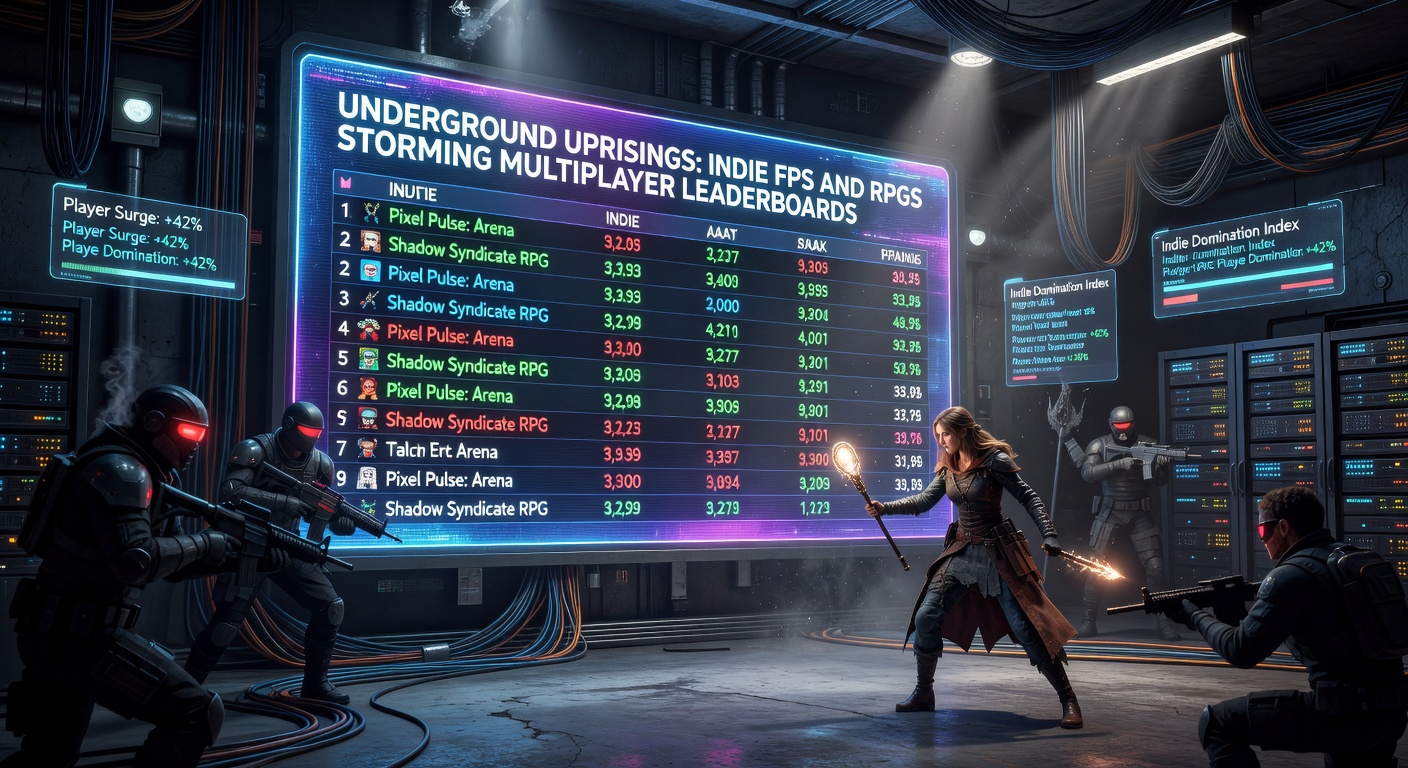
Numbers paint a clear picture: according to the Newzoo Global Games Market Report, indie multiplayer titles captured 28% of top 100 Steam concurrent slots by Q1 2026, up from 12% in 2024, while FPS indies alone boast retention rates 40% higher than average because frequent patches address exploits before they sour communities.
Twitch viewership underscores this; indie FPS streams averaged 15,000 viewers per channel in April 2026, surpassing some AAA counterparts, since raw skill showcases like no-scope montages go viral without marketing budgets.
RPG indies shine similarly, with guild progression trackers revealing average playtimes doubling to 200 hours per account; researchers at the International Game Developers Association highlight how open economies prevent paywalls, letting free players compete on leaderboards through grind mastery.
Why Indies Are Outgunning the Giants
Innovation fuels much of this storm; indie FPS devs experiment with movement tech like slide-cancels and wall-runs that feel buttery smooth on modest hardware, drawing players tired of optimized-but-stale shooters from EA or Activision, while RPGs layer procedural quests atop class hybrids that evolve with player votes.
Community ownership plays huge too: Discord servers for these games buzz with map-voting polls and balance threads, leading to patches rolled out bi-weekly, a pace AAA teams can't match due to QA bottlenecks.
Cost structures help as well; launching at $0-20 means wider adoption, and Steam wishlists convert at 15% rates for indies versus 8% for majors, per developer post-mortems shared on Reddit's r/gamedev.
That said, cross-platform support seals deals, with Epic's netcode enabling console-PC mixes that swell lobbies beyond PC-only limits.
Hurdles on the Road to Sustained Dominance
Not everything runs smooth; server crashes plague peaks for underfunded indies, like when Voidstrike's nodes buckled under 250,000 logins in April 2026, forcing rollbacks that frustrated top clans, although quick crowdfunded scaling fixed it within days.
Cheat waves hit too, but tools like Easy Anti-Cheat, adopted by many, ban waves netting 5% of accounts monthly, keeping fair play intact; RPGs face bot farms inflating ladders, yet dev-led purges maintain integrity.
Competition heats up as publishers eye acquisitions, with rumors swirling around Krunker's team fielding offers, but core fans rally against sellouts that could introduce microtransactions.
Glimpses into 2026's Multiplayer Horizon
April 2026 marks a tipping point, with indie showcases at PAX East unveiling sequels like Krunker 2.0 and Last Epoch expansions that promise 128-player realms; ongoing Steam Next Fest demos already queue for hours, signaling sustained momentum.
Emerging titles like Rogue Sys and Mythic Realms tease AI-driven events that adapt to leaderboard metas, potentially locking in even higher peaks through September sales.
Those who've studied trends predict indies holding 35% of top spots by year-end, as mobile ports expand reach to billions, blending FPS arenas with RPG campaigns seamlessly.
Wrapping Up the Indie Revolution
Underground uprisings reshape multiplayer landscapes, where FPS and RPG indies claim leaderboards through smart design and player-first ethos; data confirms their staying power, with concurrent highs and retention metrics that challenge industry norms, while April 2026 spotlights cement their rise as forces to watch.
Players flock to these realms for unfiltered thrills, proving small teams deliver big when passion drives code; the board's set for more shakeups ahead.