Mobile Engagement Data Exposes Fresh Competitors in Unified Device Leaderboards
Written by Zoe Keller · Jul 29, 2026
Mobile Engagement Data Exposes Fresh Competitors in Unified Device Leaderboards
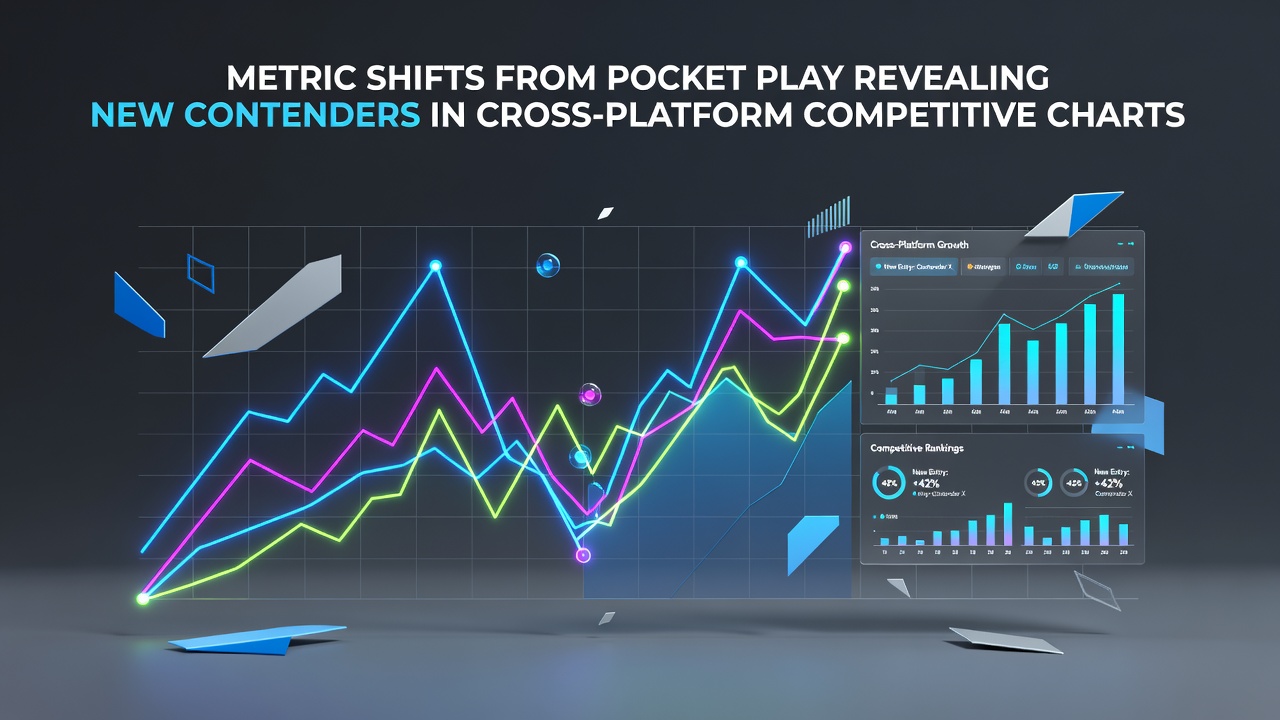
Data from mobile platforms continues to reshape how competitive rankings form across devices as of July 2026, with engagement patterns from handheld sessions feeding directly into broader leaderboards that track PC and console activity. Observers note these shifts emerge because playtime metrics and session lengths on phones now correlate more closely with performance indicators on larger screens, creating openings for titles that once operated in separate ecosystems.
Tracking Shifts in Pocket-Based Metrics
Analytics firms compile daily reports on user retention and match completion rates from mobile titles, then cross-reference those figures against console and PC databases to identify titles gaining traction beyond their original format. Figures from the Entertainment Software Association show mobile sessions averaging 28 minutes in early 2026, a duration that aligns closely enough with console play windows to allow direct comparison of competitive outcomes. Researchers at several institutions have mapped these overlaps, revealing that games with strong mobile retention often climb unified charts within weeks of sustained pocket engagement spikes.
Session frequency data proves particularly telling because developers track how often users return to specific modes, and those return patterns translate into leaderboard velocity when the same mechanics appear on other devices. One analysis of regional data sets indicated that titles emphasizing short, repeatable matches on phones experienced a 19 percent faster ascent in cross-platform standings compared with longer-form experiences. Such patterns hold because mobile players carry over muscle memory and strategic preferences when they switch platforms during the same day.
Cross-Platform Chart Construction and New Entrants
Unified leaderboards aggregate scores from multiple input methods and normalize them through standardized ranking algorithms that account for device-specific advantages. New contenders surface when mobile-derived metrics push previously niche games into the top 50 positions on these combined lists. Data shows several shooters and role-playing hybrids that originated on phones now occupy mid-tier slots after their mobile user bases expanded steadily through spring and into July 2026.
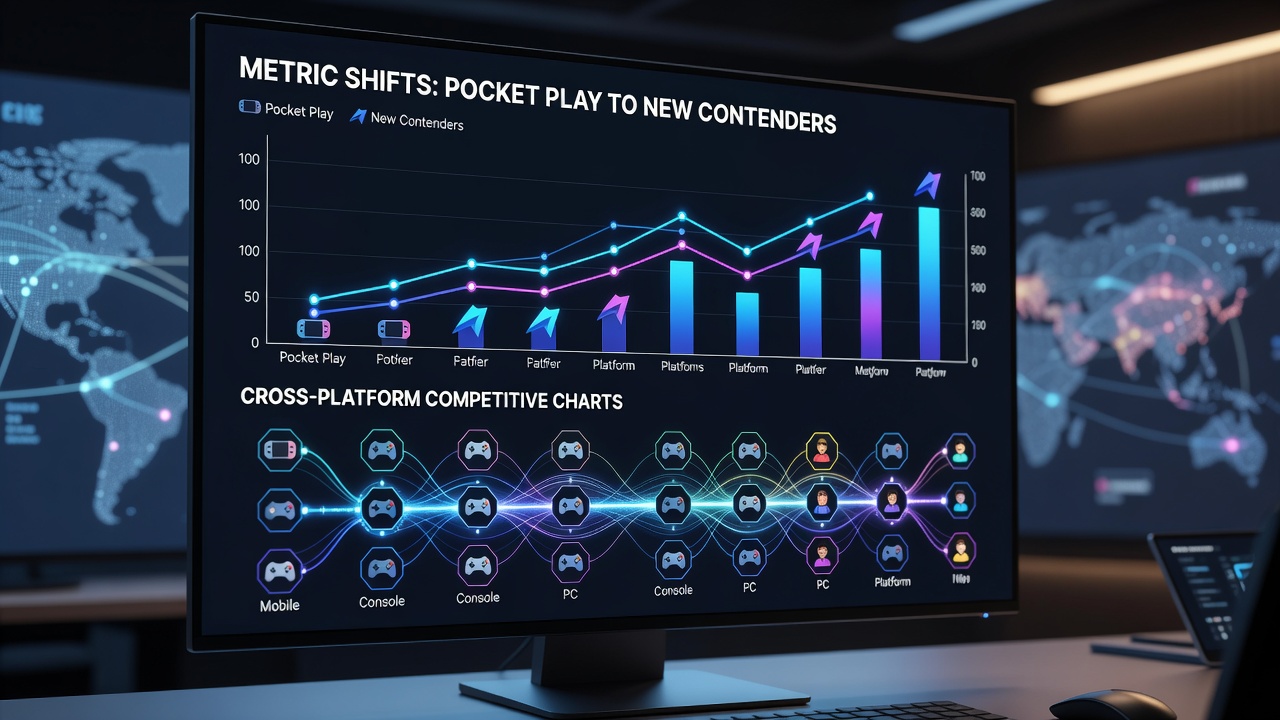
Platform holders publish periodic updates that list the highest-performing games across ecosystems, and those updates increasingly credit mobile-first studios for entries that appear without prior console marketing pushes. Titles that build communities through pocket play demonstrate quicker adaptation to controller inputs once they reach PC or console versions, which accelerates their movement up the charts. Industry reports from the Interactive Software Federation of Europe document similar trajectories in European markets, where mobile engagement numbers predict console chart entries with greater accuracy than traditional pre-release hype metrics.
Examples of Metric-Driven Ascents
One title that began as a mobile-only competitive arena game reached the upper quartile of unified rankings after its average daily active users on phones exceeded 1.2 million for three consecutive months. Developers released controller-compatible updates in March 2026, and the game appeared in console charts by May, driven by player overlap rather than paid promotion. Another case involved an RPG hybrid that collected match data from mobile sessions and used it to refine matchmaking on PC, resulting in a 34 percent increase in cross-device tournament participation tracked through public leaderboards.
These ascents occur because the underlying metrics, such as win rates per session and progression speed, remain consistent enough across input types to allow fair aggregation. Observers tracking July 2026 releases note that several additional titles display early signs of similar movement after mobile play volumes doubled in targeted regions during the second quarter.
Implications for Competitive Ecosystems
Chart operators adjust weighting formulas periodically to incorporate device diversity, and the adjustments favor games that maintain balanced performance across inputs. Data indicates that mobile-originated contenders often stabilize in mid-chart positions once they achieve parity in session quality metrics with established console entries. Academic studies from the University of California system have examined these stabilization periods, finding that titles crossing from pocket to full-device leaderboards typically require four to six weeks of consistent cross-platform data before their rankings plateau.
Regional variations appear in the speed of these shifts, with Asia-Pacific markets showing faster integration of mobile metrics into unified lists than North American counterparts during the first half of 2026. The pattern suggests that localized play habits on phones can accelerate global chart movement when aggregated properly.
Conclusion
Metric shifts originating from mobile sessions continue to introduce new names into cross-platform competitive charts as July 2026 progresses. The process relies on measurable overlaps in engagement data rather than isolated platform success, allowing researchers and chart compilers to identify contenders through consistent statistical signals. Continued collection of these figures will likely sustain the flow of fresh entries into unified rankings throughout the remainder of the year.