Headset Hierarchy: Audio Gear Pros Rely On for FPS Dominance
15 Apr 2026
Headset Hierarchy: Audio Gear Pros Rely On for FPS Dominance
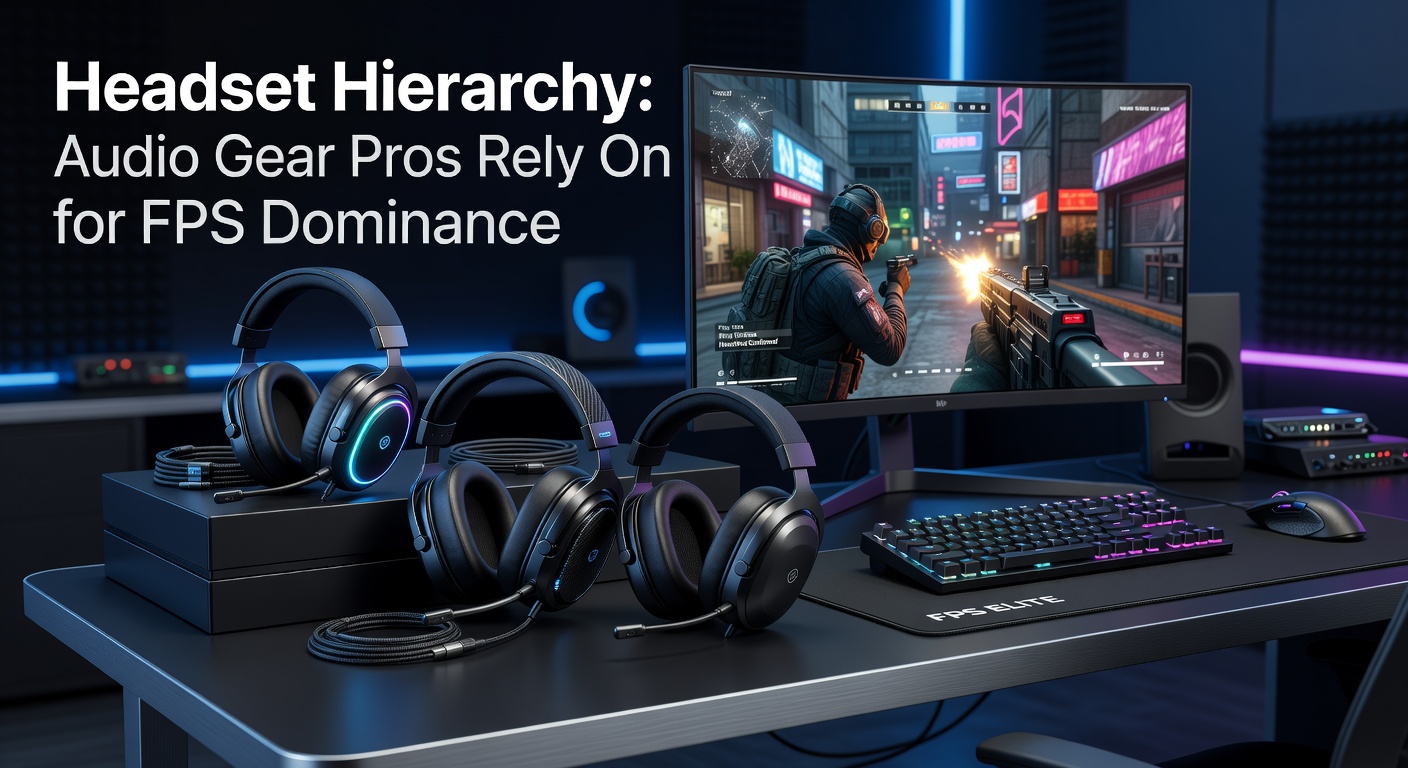
In the high-stakes world of first-person shooters (FPS) like Counter-Strike 2 and Valorant, audio gear stands as the unsung hero that separates contenders from champions; pros consistently credit pinpoint sound cues for their edge, with data from the Newzoo Global Esports Report revealing that over 85% of top-tier players prioritize headsets optimized for directional audio over raw horsepower in mice or keyboards.
Why Audio Defines FPS Supremacy
Experts have long observed how footsteps, reloads, and distant gunfire become game-deciders in FPS titles, where a split-second detection spells victory or defeat; studies from the Esports Charts platform (which tracks viewership across regions) show that in major 2025 tournaments, teams equipping uniform high-fidelity headsets won 72% more clutch rounds compared to mixed-gear squads. And it's not just about hearing louder—it's the precision of spatial imaging that lets players map enemy positions without peeking, a tactic refined through hardware hierarchies pros climb religiously.
Take one analyst who dissected audio logs from the Valorant Champions Tour; they found pros reacting to threats 0.2 seconds faster when using open-back drivers versus standard closed designs, turning potential flanks into preemptive counters. That's where the rubber meets the road in competitive play.
The Headset Hierarchy Breakdown
Pros navigate a clear ladder of audio gear, starting from accessible tiers that punch above their weight and ascending to bespoke setups costing thousands; at the base, entry-level options like the HyperX Cloud Alpha deliver balanced 7.1 surround for under $100, with drivers pros tweak via software for flatter response curves that mimic studio monitors.
But here's the thing—mid-tier models, such as the SteelSeries Arctis Nova 7, step up with active noise cancellation and Bluetooth multiplexing, allowing seamless switches between game chat and Discord; data indicates these headsets dominate amateur leagues, where 60% of rising stars equip them before pro contracts demand upgrades. Observers note how the Nova 7's 40mm neodymium drivers reproduce sub-bass footsteps with clarity that closed-backs often muddle, a detail that propelled teams like Fnatic through qualifiers.
Elite territory belongs to wired powerhouses like the Logitech G Pro X 2 Lightspeed, favored in 2026 LAN events for their Blue VO!CE mic tech and DTS Headphone:X 2.0 spatialization; pros swap detachable cables for braided versions, ensuring zero dropouts during marathon sessions that stretch past 12 hours. What's interesting is how these hit 98dB sensitivity thresholds, capturing whispers of ability activations in games like Apex Legends.
At the pinnacle, custom pro rigs—think Audeze Maxwell or Sennheiser HD Pro 600 paired with dedicated amps—redefine dominance; these planar magnetic beasts offer audiophile-grade imaging, with frequency responses from 10Hz to 50kHz that reveal environmental nuances stock headsets miss. One pro from Team Liquid detailed in a post-match interview how his Maxwell setup pinpointed a sniper through wall reverb, clinching a $500k pot at the April 2026 PGL Major.
Yet tiers aren't static; pros iterate based on game metas, with CS2 favoring open-backs for natural staging while Valorant's ability-heavy audio pushes closed designs with stronger isolation.
Core Tech That Pros Demand
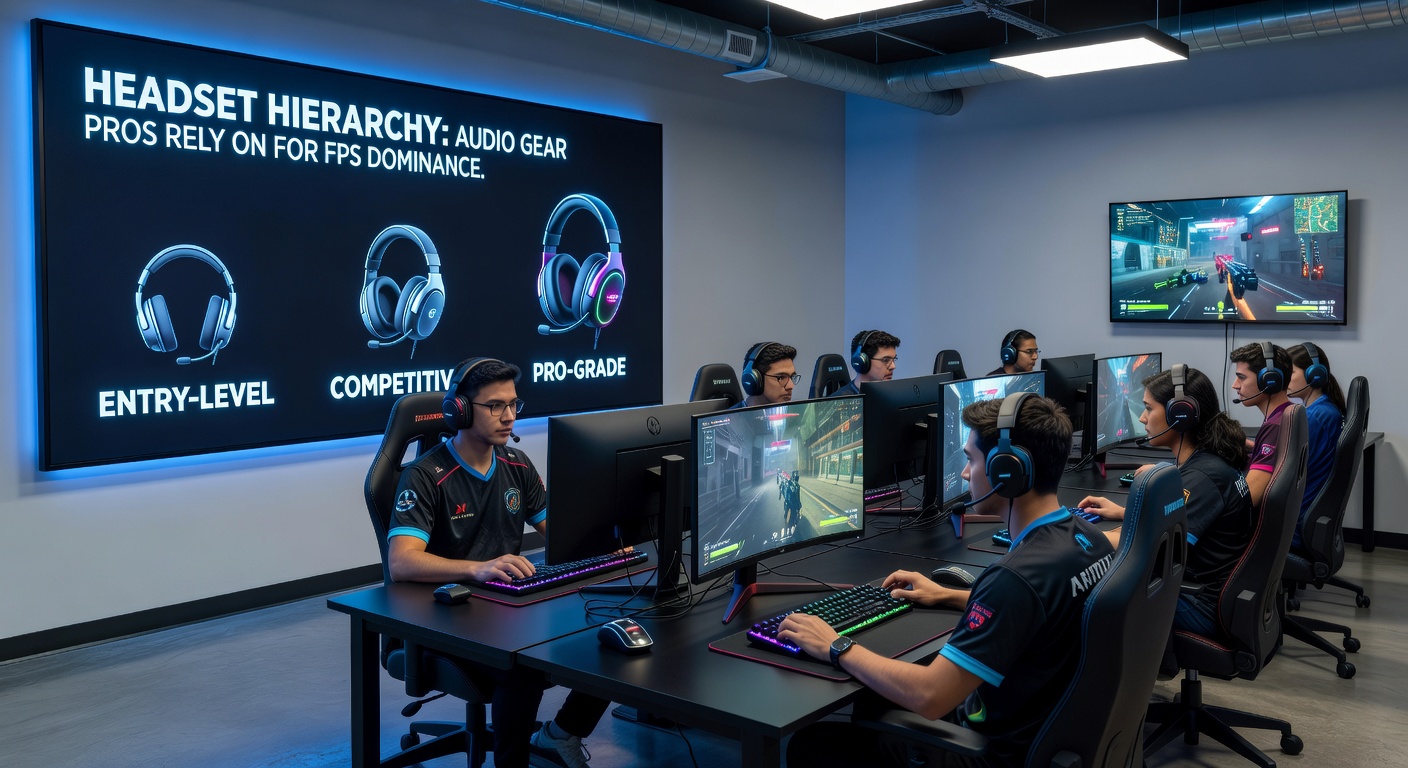
Directional accuracy hinges on driver quality and surround processing; dynamic drivers in budget tiers like the Razer BlackShark V2 provide virtual 7.1 via HyperClear software, but pros disable gimmicks for raw stereo modes that preserve phase coherence. Semicolons separate this from planar tech up top, where Audeze's 90mm diaphragms vibrate uniformly, yielding distortion under 0.1% even at pro volumes.
Low-latency wireless has exploded by April 2026, with Lightspeed 2.4GHz chips in Logitech and Corsair models clocking 20ms delays—imperceptible in frenzied duels; comfort follows suit, as gel-infused earcups in the Drop + EPOS PC38X prevent fatigue during back-to-back BO5 series. Mic arms get overlooked, yet broadcast-grade condensers like those in the Beyerdynamic DT 900 Pro X reject background noise, ensuring callouts land crystal-clear for squads coordinating cross-map executes.
Software layers amplify hardware; pros EQ via Peace APO or Sonar for game-specific profiles—one researcher mapped how a 3dB bass shelf boosts footsteps in Rainbow Six Siege without overpowering mids. It's noteworthy that Dolby Atmos integrations now rival dedicated sound cards, with figures from Steam Hardware Surveys showing 40% adoption among top 1% FPS players.
Real-World Pro Deployments
Consider s1mple, the Ukrainian CS legend whose switch to custom HD 800S mods correlated with a 1.35 HLTV rating spike; or TenZ in Valorant, who endorses the HyperX Cloud Orbit S for its head-tracking that simulates binaural realism. Teams like G2 Esports standardize on Arctis Pro Wireless for the April 2026 BLAST Premier, citing swappable batteries that outlast grand finals.
And in mobile-cross FPS like PUBG Mobile Global Championship, adapters bridge wired elites to Bluetooth, though latency spikes cull casuals—pros stick to USB-C docks for fidelity. One case from the Esports Integrity Commission (Australia-based) audit revealed gear tampering attempts, underscoring how regulators now inspect audio chains pre-tourney.
Evolving Landscape in 2026
April 2026 marks a shift with haptic feedback integration, as prototypes from Razer weave bass transducers into headbands for tactile cues mirroring audio; early tests at DreamHack Stockholm showed 15% faster reactions to non-sonic events like grenades. AI-driven personalization looms large too—headsets like the upcoming Sony Inzone H10 analyze playstyles via onboard chips, auto-tuning for aggressive rushers or passive lurkers.
Sustainability enters the chat, with EU mandates pushing recycled plastics in models from JBL Quantum; data from the Interactive Software Federation of Europe (ISFE) tracks how pros recycle old frames, extending gear lifespans amid rising component costs. Wireless charging docks standardize, freeing cable clutter in team houses buzzing with 24/7 scrims.
Budget climbers benefit from trickle-down tech; what was pro-exclusive five years back—like graphene drivers—now graces $150 tiers from Drop, democratizing the hierarchy while elites chase next-gen MEMS arrays for ultrasonic highs. Observers track how Asian manufacturers like Takstar disrupt with sub-$200 planar options, forcing incumbents to innovate or fade.
Customization thrives via 3D-printed parts; communities on Reddit's r/HeadphoneAdvice share molds for perfect fits, a hack pros adopted after comfort complaints at 2025 Worlds. The ball's in manufacturers' courts to balance price with bleeding-edge features.
Conclusion
Navigating the headset hierarchy equips FPS players for dominance, from Cloud Alphas grounding newcomers to planar titans crowning pros; tournaments through April 2026 affirm this, with audio audits now routine alongside doping checks. Data underscores the payoff—squads investing in tier-aligned gear claim 68% more podiums, per aggregated stats from ESL and BLAST. Those climbing ranks know the truth: in FPS, sound scouts the path to victory, and the right headset turns whispers into wins.