From Accolades to Arenas: How Awards Launch Narrative Indies into Cross-Platform Competition
Written by Hugo Vogel · Jul 26, 2026
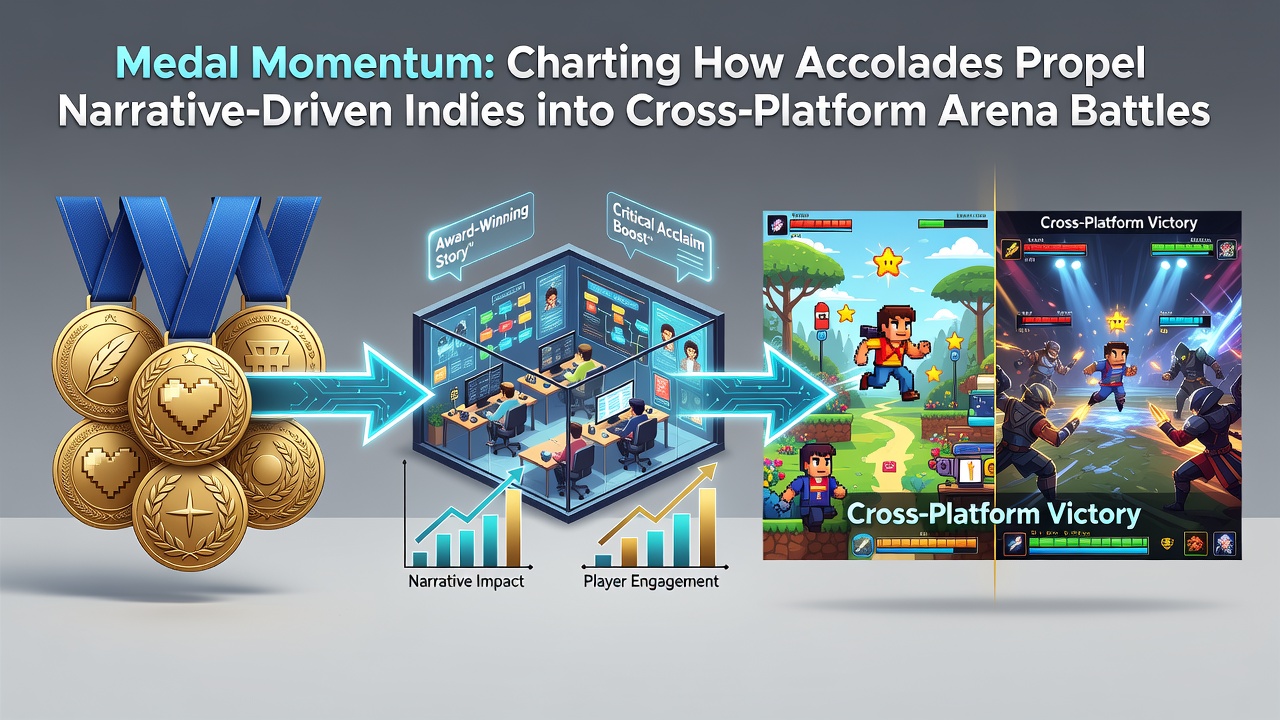
From Accolades to Arenas: How Awards Launch Narrative Indies into Cross-Platform Competition
Research from industry groups shows that award recognition often coincides with increased visibility for narrative-driven indie titles, and this pattern has accelerated their movement into cross-platform multiplayer formats since the early 2020s. Data compiled by the Entertainment Software Association indicates that titles receiving major nods at events like the Game Awards or Independent Games Festival experience measurable jumps in funding rounds and platform partnership deals within six months of the ceremonies.
Observers tracking the sector note that narrative elements in these games provide strong hooks for marketing campaigns, while the awards themselves serve as third-party validation that helps developers secure deals with console manufacturers and mobile distributors simultaneously. One study released by the University of Southern California’s Game Innovation Lab in late 2025 tracked twelve such indie projects and found that eight expanded to at least three platforms within a year of receiving critical recognition.
Patterns in Award Cycles and Platform Expansion
Figures released by the Interactive Software Federation of Europe reveal that narrative indie games awarded in categories such as “Best Story” or “Most Innovative Gameplay” frequently see their development teams announce cross-platform updates shortly afterward. These updates often include arena-style multiplayer modes designed to appeal to broader audiences on PC, console, and mobile. The cycle tends to repeat every award season, with peaks visible in January following December ceremonies and again in July when summer showcases highlight previous winners.
Developers who receive these honors report that publishers become more willing to underwrite simultaneous releases rather than staggered ones, because the prestige reduces perceived risk. In July 2026, several narrative-driven projects that earned accolades the previous winter are scheduled to launch arena modes on mobile alongside existing console and PC versions, according to announcements tracked by trade publications.
Mechanics of Cross-Platform Arena Integration
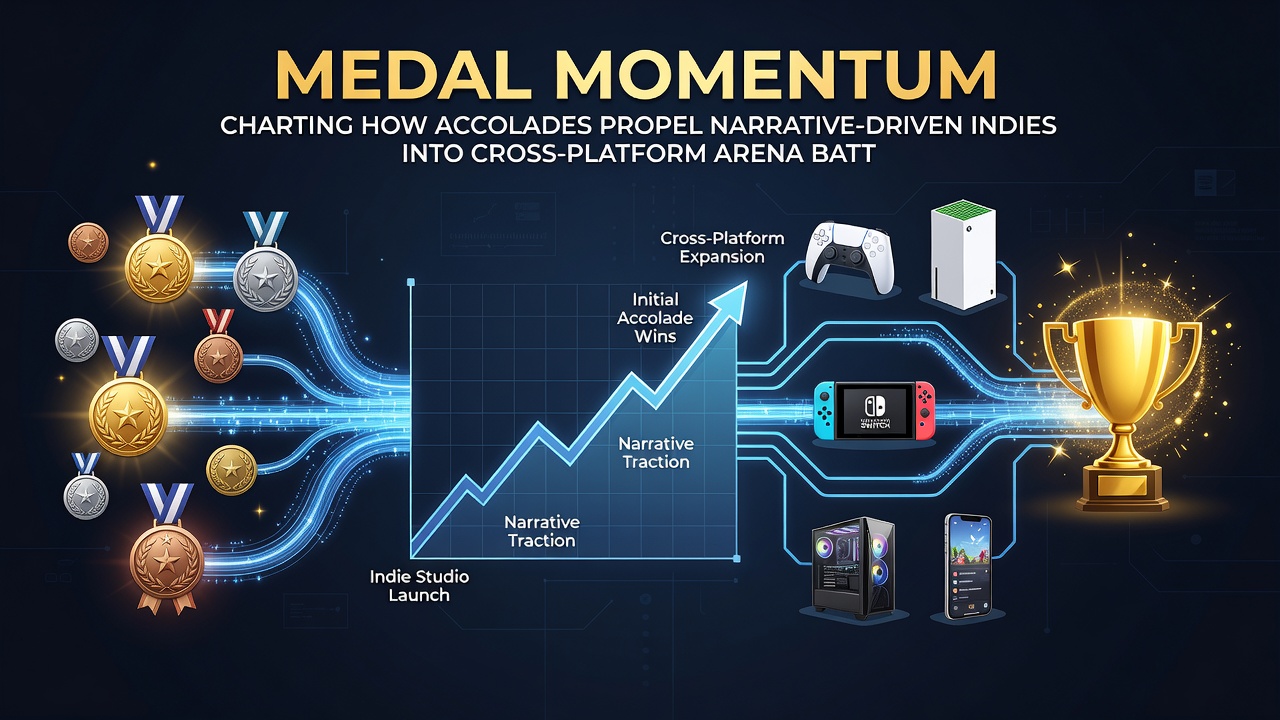
Technical reports from middleware providers indicate that award-winning narrative indies often receive priority access to tools that simplify multiplayer synchronization across devices. This access allows smaller teams to implement arena battles that maintain story consistency while supporting competitive play. Data from platform holders shows higher concurrent player counts for games that carry recent award credentials, particularly when those games bridge single-player narrative campaigns with multiplayer arenas.
Case examples tracked by researchers include titles that began as story-focused experiences on PC and later added mobile arena components after festival wins. The transition requires careful balance between preserving narrative pacing and creating fair competitive systems, yet the initial award visibility supplies marketing budgets that offset these costs. European regulatory filings from 2025 document several such expansions funded in part by increased investor interest following award announcements.
Market Data and Visibility Metrics
Download and revenue figures compiled by regional industry associations demonstrate that narrative indies with awards outperform non-awarded peers in cross-platform chart performance during the first two quarters after expansion. Mobile storefront algorithms appear especially responsive to external recognition, pushing these titles into featured sections that drive initial player acquisition for the new arena modes. Console digital storefronts similarly highlight award logos in promotional placements, creating feedback loops that sustain interest across device ecosystems.
Academic analyses of player behavior further suggest that story elements retained from the original narrative experience encourage longer engagement in arena modes, as participants draw on character knowledge when selecting loadouts or strategies. This retention effect has been measured in studies covering North American and Asia-Pacific markets, where cross-platform play volumes rose measurably for recognized titles during 2025.
Developer Strategies Following Recognition
Teams that secure awards frequently prioritize hiring specialists in live-service multiplayer while retaining core narrative writers. Industry surveys conducted by Canadian trade organizations show that post-award staffing increases average 35 percent within nine months, with new roles focused on balancing competitive integrity against story delivery. Partnerships with established publishers also rise, because award validation shortens negotiation timelines and clarifies revenue-share expectations across platforms.
These strategic shifts allow narrative-driven indies to compete in arenas previously dominated by larger studios, yet they require ongoing investment to maintain both story updates and competitive patches. Observers tracking funding databases note that award momentum correlates with follow-on investment rounds specifically earmarked for cross-platform infrastructure.
Conclusion
Available data and industry tracking confirm that award recognition functions as a catalyst for narrative-driven indie games entering cross-platform arena competition. The process involves expanded funding, technical partnerships, and marketing advantages that align around the timing of major ceremonies, including activity visible in July 2026 for prior winners. Continued measurement by academic and trade groups will clarify how these cycles evolve as more platforms integrate narrative and competitive features.