Device Transitions: Mobile Engagement Data Guiding Esports Development in Shooter and Adventure Genres
Written by Ben Frank · Aug 14, 2026
Device Transitions: Mobile Engagement Data Guiding Esports Development in Shooter and Adventure Genres
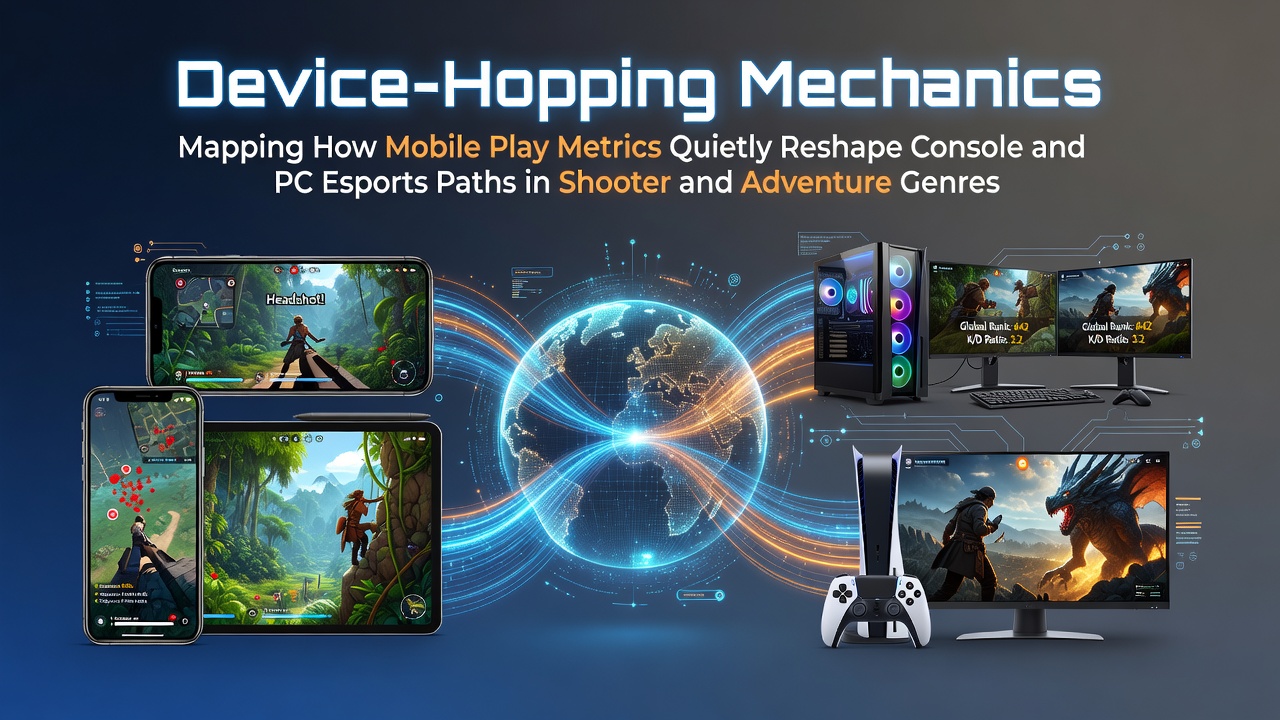
Device-hopping mechanics describe the patterns where players move between mobile, console, and PC platforms while carrying over progress, skills, and performance data that influence competitive trajectories. In shooter and adventure genres, mobile play metrics have started to feed into console and PC esports ecosystems through shared account systems, cross-save features, and aggregated analytics that track engagement across devices. Reports from industry bodies show that these transitions occur most frequently in titles supporting unified leaderboards and progression tracking, with data collected as early as August 2026 indicating steady increases in cross-device participation rates.
Mobile Metrics as Input for Larger Platform Strategies
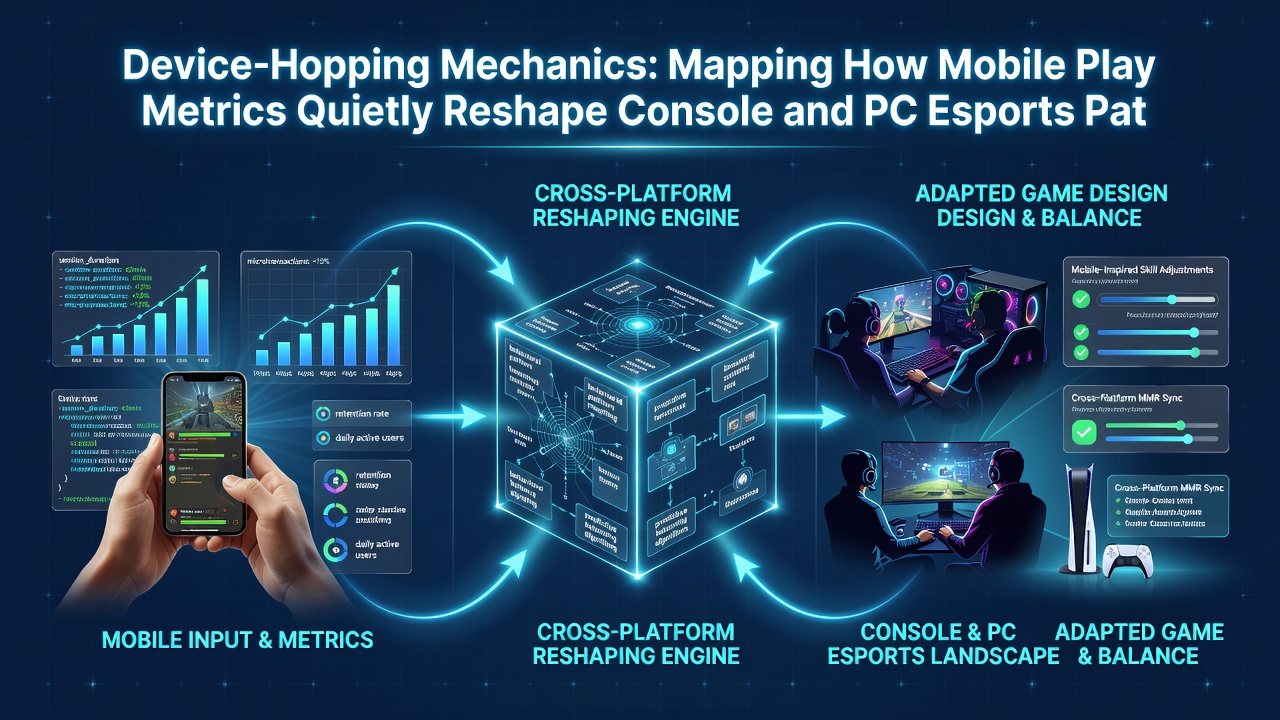
Analytics platforms aggregate session length, accuracy rates, and completion times from mobile shooters and adventure games before feeding summarized insights into console and PC development pipelines. Observers note that studios use these figures to adjust matchmaking algorithms and map designs on bigger screens, since mobile data often reveals player preferences for certain movement patterns or objective priorities that carry over when users switch devices. Research from the Entertainment Software Association highlights how such metric transfers help refine esports formats by identifying which mobile-derived tactics scale effectively to higher-stakes console and PC competitions.
Studies conducted by academic groups in Canada have documented cases where mobile engagement spikes precede shifts in console leaderboard compositions within the same franchise. Those shifts appear because players who master mobile versions bring refined reflexes and resource management habits to PC or console events, altering team compositions and strategy discussions in professional circuits. Data indicates these influences remain subtle yet measurable, especially in genres where precision aiming and narrative-driven exploration intersect with competitive scoring systems.
Shooter Genre Adaptations Through Cross-Device Data
Shooter titles that permit device hopping allow mobile performance statistics to inform weapon balancing and map rotations on console and PC platforms. Figures from regional trade associations reveal that accuracy metrics captured on touchscreens often predict which loadouts gain popularity after players migrate to controller or mouse-and-keyboard setups. In August 2026, several major esports organizers incorporated mobile-derived heatmaps into their scouting reports, enabling teams to anticipate opponent tendencies that originated in portable sessions.
One documented pattern shows mobile players favoring shorter, burst-fire engagements that later translate into console and PC meta shifts when those same individuals enter ranked ladders on larger devices. Developers respond by tweaking recoil patterns and movement speeds to maintain consistency across platforms, thereby preserving competitive integrity while accommodating the influx of device-hopping participants.
Adventure Genre Influences on Esports Pathways
Adventure games with competitive elements use mobile play data to shape puzzle difficulty curves and exploration rewards that later appear in console and PC esports events. Analysts at European research institutions have tracked how completion percentages and decision trees collected from mobile sessions correlate with success rates in console tournaments, particularly when narrative choices affect scoring multipliers. These correlations encourage organizers to design hybrid formats that blend story progression with timed challenges, drawing directly from mobile engagement patterns.
Device transitions in adventure titles frequently involve players carrying over inventory knowledge and route optimization skills, which then reshape team strategies during PC and console competitions. Reports indicate that such carryover accelerates the adoption of certain narrative branches in esports broadcasts, as audiences recognize mechanics first popularized through mobile leaderboards.
Esports Infrastructure Adjustments
Esports governing bodies have begun integrating mobile metrics into qualification pathways for console and PC events, creating eligibility criteria that account for cross-device performance histories. Government statistical agencies in Australia have published summaries showing increased registration numbers for multi-platform tournaments, with mobile data serving as an initial filter for identifying emerging talent. This infrastructure change reduces barriers for players who start on portable devices before advancing to higher-profile stages.
Technical standards for data portability continue to evolve, allowing secure transfer of achievement records without compromising competitive fairness. Observers note that these standards rely on anonymized aggregates rather than individual profiles, aligning with privacy regulations across multiple jurisdictions.
Conclusion
Device-hopping mechanics continue to link mobile play metrics with console and PC esports development in shooter and adventure genres through shared analytics, progression systems, and tournament structures. Data collected through August 2026 demonstrates measurable influences on strategy, balancing, and participant pathways, while maintaining platform-specific competitive standards. Ongoing refinements in data handling and cross-device compatibility suggest these connections will expand as more titles adopt unified ecosystems.