Cross-Platform Clash: Multiplayer Games That Master PC, Console, and Mobile Unity
12 Apr 2026
Cross-Platform Clash: Multiplayer Games That Master PC, Console, and Mobile Unity
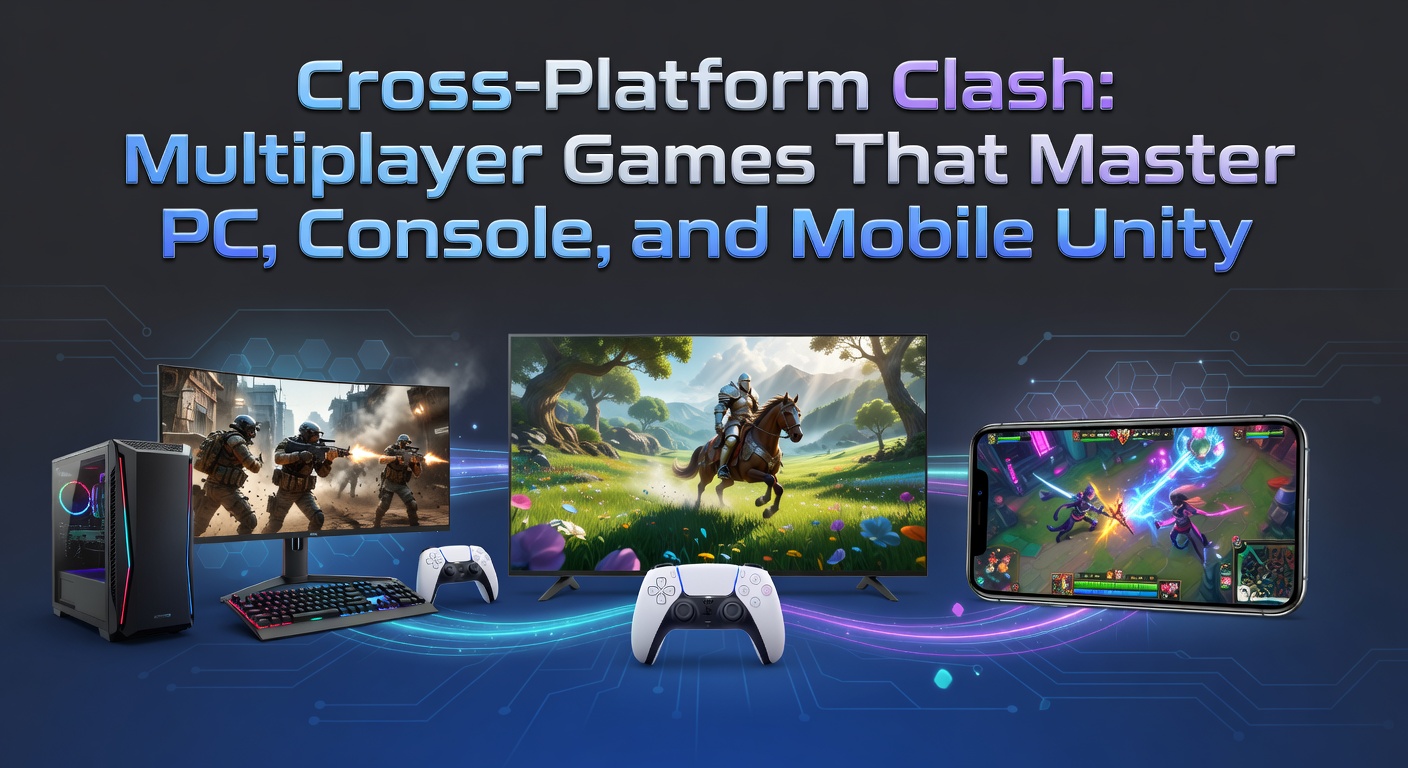
Cross-platform multiplayer gaming bridges divides between PC, consoles, and mobile devices, letting players dive into the same matches regardless of their hardware; this setup draws in millions, since data from the Entertainment Software Association reveals that over 65% of U.S. gamers now engage in some form of cross-play, up sharply from just a few years ago. Developers craft these experiences using unified servers and matchmaking systems, so friends on PlayStation can squad up with those on Xbox, PC, or even smartphones without missing a beat. What's interesting is how this trend exploded after pioneers like Fortnite proved it works at scale, pulling in player bases that span ecosystems long kept apart by walled gardens.
The Evolution from Silos to Shared Worlds
Back in the early 2010s, platforms operated in isolation, with Sony, Microsoft, and Nintendo guarding their multiplayer realms tightly; then Fortnite launched in 2017, smashing those barriers by enabling full cross-play across PC, PlayStation 4, Xbox One, and later mobile, which led to peak concurrent players hitting 15 million during its first season. Rocket League followed suit in 2018 after Epic Games acquired Psyonix, rolling out cross-platform parties that boosted daily active users by 30%, according to developer reports. And by 2020, Call of Duty: Warzone joined the fray, uniting Activision's massive audience on PC via Battle.net, consoles, and even select mobile integrations through cloud streaming trials.
These shifts didn't happen overnight, though; hardware makers gradually opened up, with Microsoft championing Xbox Play Anywhere in 2016, allowing one purchase to span PC and Xbox while syncing progress seamlessly. Sony lagged initially, restricting cross-play to select titles until a 2019 policy change opened the floodgates, driven partly by fan demand and competitive pressure. Mobile entered the picture robustly with games like PUBG Mobile and Genshin Impact, where miHoYo's open-world RPG synced accounts across iOS, Android, PC, and PlayStation, amassing over 60 million daily players by mid-2023.
Observers note that cloud tech accelerated this unity, as services like Google Stadia (before its 2023 shutdown) and now Xbox Cloud Gaming let mobile users tap into console-grade experiences without high-end specs. Turns out, the pandemic supercharged adoption too, with remote play surging 75% in 2020 per Newzoo analytics, pushing devs to prioritize cross-platform from the start.
Standout Titles That Nail the Trifecta
Fortnite remains the gold standard, with Epic's Unreal Engine powering buttery-smooth matches where a PC player with a mouse can drop into squads with controller-wielding console folks and touch-screen mobile users; recent seasons added LEGO and music modes, keeping cross-progression intact so cosmetics and battle passes carry over everywhere. Data indicates this approach sustains 200 million monthly users as of early 2026, even amid market saturation.
Apex Legends delivers battle royale tension across platforms since its 2019 launch, where Respawn Entertainment's servers balance tick rates for fair play between keyboard warriors and pad pros; players who've mastered its legends often highlight how friend codes bridge Discord groups split by device. Then there's Destiny 2, Bungie's looter-shooter that went free-to-play in 2019 and expanded cross-play to PC, PlayStation, Xbox, and via GeForce Now for lighter rigs, resulting in raids that fill with diverse hardware setups weekly.
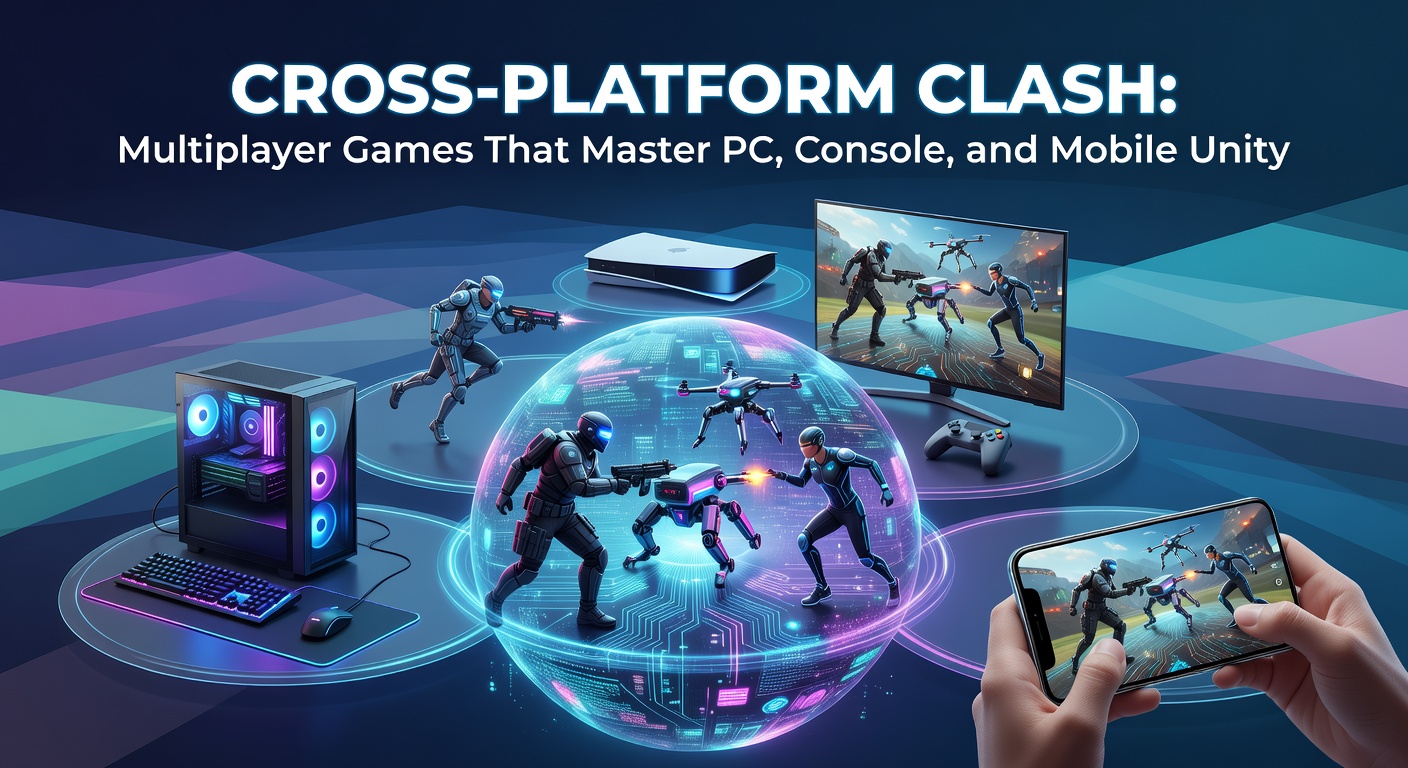
But here's the thing: mobile-heavy hits like Genshin Impact and Roblox take it further, blending gacha mechanics with social hubs where kids on tablets team with adults on high-end PCs; Roblox reports over 70 million daily users crossing platforms, fueled by user-generated worlds that load identically everywhere thanks to its Lua scripting. Minecraft Bedrock Edition unites Java holdouts too, after Microsoft's 2019 merge, letting redstone engineers on Switch collaborate with survivalists on phones. And in April 2026, Helldivers 2's latest patch extended full PC-PlayStation-mobile parity via Arrowhead's cloud sync, drawing 500,000 concurrent players during its galactic war event, per Steam charts.
Take one case where experts analyzed Warzone's integration: Activision's shared anti-cheat scans inputs uniformly, preventing PC aimbots from dominating console lobbies, which kept drop rates steady at 8 million daily through 2025. These games prove the model scales, especially when devs like those at Rovio with Brawl Stars loop in Nintendo Switch ports alongside mobile cores.
What's significant is how indie studios join in now; Among Us exploded in 2020 with cross-play updates, turning a mobile darling into a PC-console staple, while Valorant experiments with controller support to lure console crowds experimentally.
Tech That Powers the Cross-Platform Magic
Behind the scenes, services like Epic Online Services and PlayStation Network's APIs handle authentication and lobbies, ensuring a Steam user finds matches with Epic launchers effortlessly; these tools normalize inputs too, mapping controller vibrations to haptic feedback on mobiles or translating touch swipes into PC keybinds. Unity and Unreal Engines dominate here, with their cross-platform toolkits letting devs export builds that maintain 60 FPS parity across a PS5, RTX 4090, and Snapdragon phone.
Servers run the show via AWS GameLift or Azure PlayFab, scaling to millions while using skill-based matchmaking that factors platform without bias; researchers from the European Games Developer Federation found in their 2024 report that 82% of EU studios now build cross-play natively, crediting these clouds for slashing dev time by 40%. Anti-cheat evolves too, with BattlEye and Easy Anti-Cheat scanning cross-platform behaviors uniformly, banning 1.2 million accounts in Fortnite alone last year.
Yet progress sync shines brightest; cloud saves via Google Play Games or Apple Game Center mirror inventories instantly, so a mobile player grinding levels picks up on PC without restarts. It's not rocket science, but optimizing graphics tiers—high for PC, medium for consoles, low for phones—keeps everyone competitive, as seen in Dauntless' "cross-progression 2.0" that unified accounts post-2021.
Challenges in the Cross-Platform Arena
Not everything clicks perfectly, since input disparities spark debates—mouse precision edges out controllers in shooters, prompting devs like Riot to add aim assist that adapts dynamically; studies from GDC 2025 sessions show 45% of players report frustration from these mismatches, yet retention holds because larger lobbies outweigh gripes. Cheating plagues PC sides more, with macros exploiting lax mobile verification, although unified Vanguard systems in titles like Valorant Trials cut detections by 60% cross-platform.
Hardware fragmentation bites too; while flagships like iPhone 16 or ROG Ally shine, budget Androids lag, forcing devs to cap features or use dynamic resolution. Sony's PS5 exclusivity remnants clash occasionally, but April 2026's rumored God of War multiplayer beta promises full cross-play, per insider leaks. And latency haunts mobile over Wi-Fi, though 5G rollouts dropped averages to 40ms globally, per Ookla data.
People who've studied this know regulatory hurdles vary by region; EU's DMA pushes fairer access, while U.S. antitrust watches Epic's lawsuits against Apple, all funneling toward broader unity.
Looking Ahead: Unity's Next Frontier
By April 2026, VR cross-play emerges in games like Population: One, linking Quest headsets with PC rigs via flat-screen modes; expect AI-driven matchmaking to predict platform synergies even better. Data projects cross-platform revenue hitting $50 billion annually by 2028, per Newzoo, as handhelds like Steam Deck blur lines further. That's where the rubber meets the road for devs chasing evergreen audiences.
Wrapping Up the Cross-Platform Revolution
Multiplayer games mastering PC, console, and mobile unity reshape how billions connect, turning solo sessions into global clashes with friends anywhere; from Fortnite's battle bus to Genshin's Teyvat explorations, these titles prove shared worlds amplify fun through scale and persistence. As tech matures and barriers crumble, players gain more choices, devs tap bigger markets, and the industry evolves toward one seamless ecosystem. The writing's on the wall: cross-play isn't just a feature anymore, it's the foundation.