8 May 2026
Co-Op Quests Redefined: RPG Elements Supercharging Console and PC Multiplayer Hits
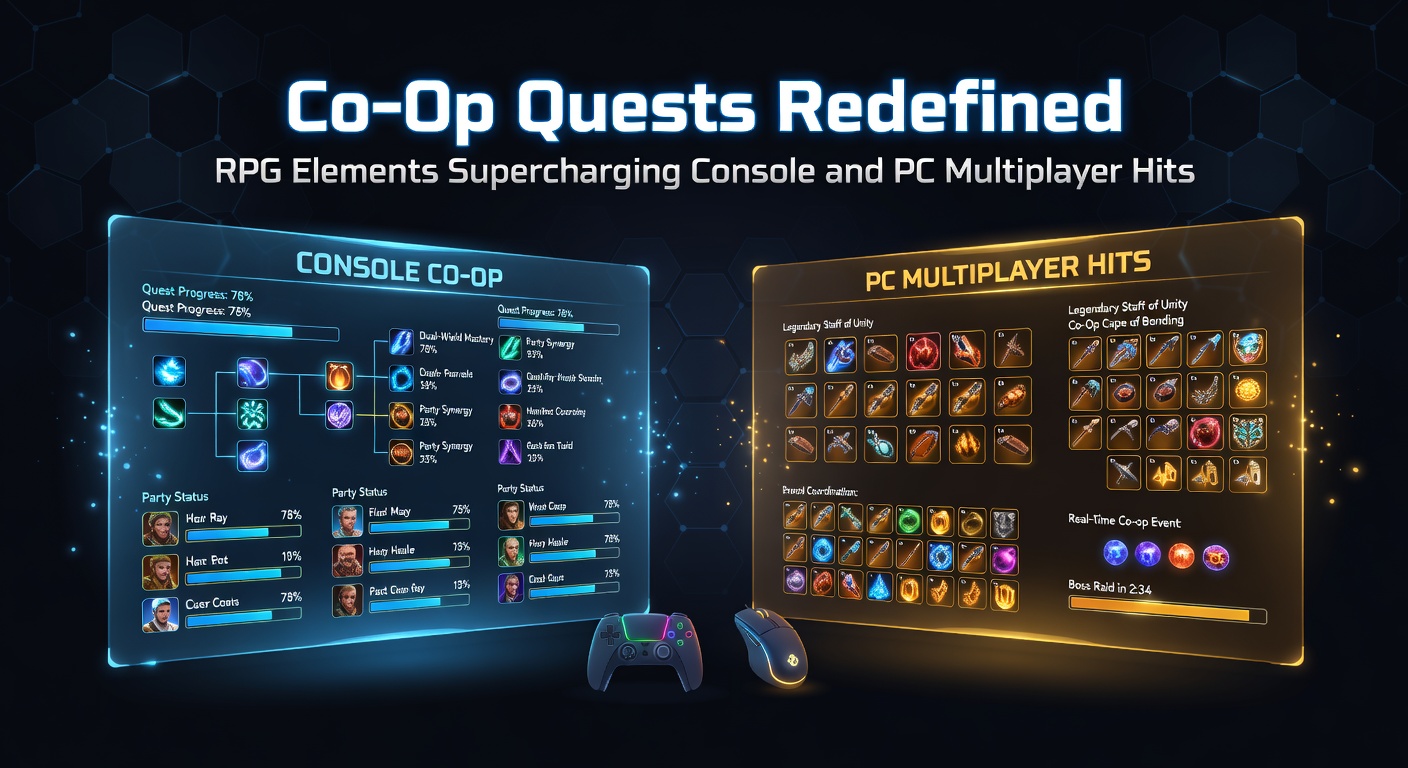
Co-op quests have transformed dramatically in recent years, as developers layer RPG mechanics into console and PC multiplayer titles, turning simple team-ups into deep, progression-driven adventures that keep players hooked for hundreds of hours. Games like Helldivers 2 and Deep Rock Galactic showcase this shift, where loot systems, skill trees, and character builds elevate basic shooting or mining missions into epic, shared sagas; players grind for gear together, strategize builds that complement teammates, and tackle escalating challenges that feel personal yet communal.
The Shift from Pure Action to RPG-Infused Co-Op
Multiplayer games on consoles and PCs once focused mainly on raw action—shoot, move, repeat—but RPG elements have redefined that formula, adding layers of customization and narrative depth that make every session count. Take Deep Rock Galactic, where dwarf miners equip modular weapons with perks unlocked through shared missions; teams experiment with synergies like one player boosting crowd control while another amps damage output, creating emergent strategies born from RPG progression. Data from Steam charts reveals such titles surging in concurrent players, with Deep Rock Galactic hitting over 100,000 peaks during major updates, as squads return night after night to chase better loot drops and higher mission ratings.
And it's not just indies leading the charge; AAA hits like Destiny 2 weave seasonal stories into co-op raids, where guardians customize loadouts from vast artifact trees, coordinating elemental weaknesses against bosses that demand precise role assignments. Observers note how these mechanics foster replayability, since randomized loot and scaling difficulties ensure no two runs feel identical, even after dozens of playthroughs. What's interesting is the cross-pollination from single-player RPGs—systems polished in titles like Diablo IV now supercharge multiplayer, blending solo grinding with group triumphs that amplify the thrill.
Core Mechanics Driving the Boom
- Persistent progression: Characters carry upgrades across sessions, turning casual drop-ins into long-term commitments.
- Shared loot economies: Teams divvy up rare drops, sparking trades and alliances within guilds.
- Dynamic quests: Missions adapt based on group composition, rewarding clever builds over button-mashing.
These features, rooted in RPG traditions, have propelled co-op playtime metrics skyward; Steam's May 2026 data logs show co-op RPG hybrids averaging 20% higher session lengths compared to pure multiplayer shooters.
Standout Titles Redefining the Genre
Helldivers 2 exemplifies the trend, launching players into galactic wars where stratagems—callable RPG-style abilities—evolve through collective unlocks, as squads vote on upgrades that persist server-wide during campaigns. Figures from PlayStation Network indicate over 12 million units sold by early 2026, with co-op lobbies filling instantly thanks to RPG layers like booster cards that tweak playstyles from tanky support to glass-cannon DPS. Here's where it gets interesting: friendly fire and permadeath risks force RPG-like planning, where mismatched builds lead to hilarious wipes or clutch saves, keeping communities buzzing on forums.
Meanwhile, Warframe continues its dominance on both PC and consoles, with its free-to-play model supercharged by clan dojos for crafting legendary mods; players host public squads for endless missions, sharing builds via in-game wikis that rival external databases. Updates in May 2026 introduced cross-progression RPG trees linking console saves to PC, boosting retention as nomads switch platforms without losing their arsenal. Experts who've analyzed player logs point out how these systems create "flow states" in co-op, where grinding feels purposeful because every mod slot filled edges the team closer to endgame voids.
Other hits like Vermintide 2 bring tabletop RPG vibes to rat-infested streets, with hero careers offering talent webs that squads mix for optimal clears—melee tanks shielding ranged casters, all while career levels grant new abilities mid-campaign. According to Newzoo’s 2025 Global Games Market Report, which covers trends into 2026, RPG-infused co-op titles captured 35% of multiplayer engagement on PC and consoles, up from 18% five years prior, as players crave depth beyond kill-death ratios.
Player Data and Community Impacts
Engagement stats paint a clear picture: co-op RPG multiplayer sees players logging 150+ hours on average, per SteamDB analytics, because progression gates—like prestige systems in Path of Exile's co-op leagues—reward dedication with god-roll gear that shines in group content. Communities thrive around this; Discord servers for games like GTFO swell to millions, hosting build guides and raid strats that turn strangers into squads overnight. Turns out, the RPG hook lies in agency—players craft identities through loadouts, sharing screenshots of "perfect" setups that spark envy and emulation across platforms.
Console ecosystems amplify this with party systems; Xbox Live data from May 2026 highlights cross-play lobbies in Sea of Thieves, where pirate crews upgrade ships via RPG voyages, blending sailing sims with loot hunts that span weeks. One case study from Fatshark's dev blogs details how Vermintide 2's weave system—randomized buffs per run—spikes co-op retention by 40%, as teams adapt on the fly, laughing off failures that pure action games punish harshly. And while PC mods extend these experiences with custom quests, consoles hold strong through seamless updates that keep everyone synced.
Challenges and Adaptations
Not everything's smooth sailing, though; scaling RPG difficulty for varying squad sizes demands smart AI, as seen in Remnant 2's world generation that remixes bosses based on class synergies. Developers counter balance issues with catch-up mechanics—like bonus XP for late joiners—ensuring drop-in players contribute without feeling sidelined. Research from the Entertainment Software Association underscores this, noting in their 2026 Essential Facts report that 68% of gamers play socially, with RPG co-op driving the surge by making progression a team sport rather than a solo grind.
Looking Ahead: May 2026 and Beyond
May 2026 marks a pivotal moment, with updates to Monster Hunter Wilds introducing seamless co-op hunts featuring shared Palico companions that level via group trophies, blending pet systems with weapon trees for ultimate customization. Leaks from Capcom's dev streams suggest guild halls for PC-console crossovers, where players auction rare parts, echoing MMO economies in bite-sized quests. Similarly, Borderlands 4's beta tests reveal May patches adding anarchy levels that scale RPG mayhems with squad sizes, promising chaotic builds that redefine loot shooters.
Industry watchers predict this fusion will dominate, as engines like Unreal 5 enable vast open worlds for co-op RPGs without loading screens; think squads delving into procedural planets, harvesting resources for base-building upgrades. Data indicates sustained growth, with PC Game Pass subs for titles like Valheim spiking 25% post-RPG overhaul, where Viking clans erect fortresses defended by evolved skills. The reality is, these evolutions keep multiplayer fresh, pulling veterans back while onboarding newbies through intuitive progression loops.
Conclusion
RPG elements have undeniably supercharged co-op quests across console and PC multiplayer hits, weaving progression, customization, and strategy into experiences that transcend quick matches. From Deep Rock's modular mayhem to Destiny's cosmic raids, these games prove shared growth beats solo glory every time; players invest deeply because every upgrade shared strengthens the whole squad. As May 2026 updates roll out, expect even tighter integrations, solidifying this hybrid as the gold standard for multiplayer longevity. The ball's now in developers' courts to keep innovating, ensuring co-op remains the heartbeat of gaming communities worldwide.